

Menu
Dental implants are a durable, long-term solution to missing teeth, offering more stability than dentures or bridges. They look, feel, and function like natural teeth, restoring your ability to chew comfortably and smile with confidence. Each implant is designed to fuse with your jawbone, creating a secure foundation that lasts decades with proper care.
Dental implants are a durable, long-term solution to missing teeth, offering more stability than dentures or bridges. A titanium post acts as an artificial root, integrating with your jawbone to support a natural-looking crown.

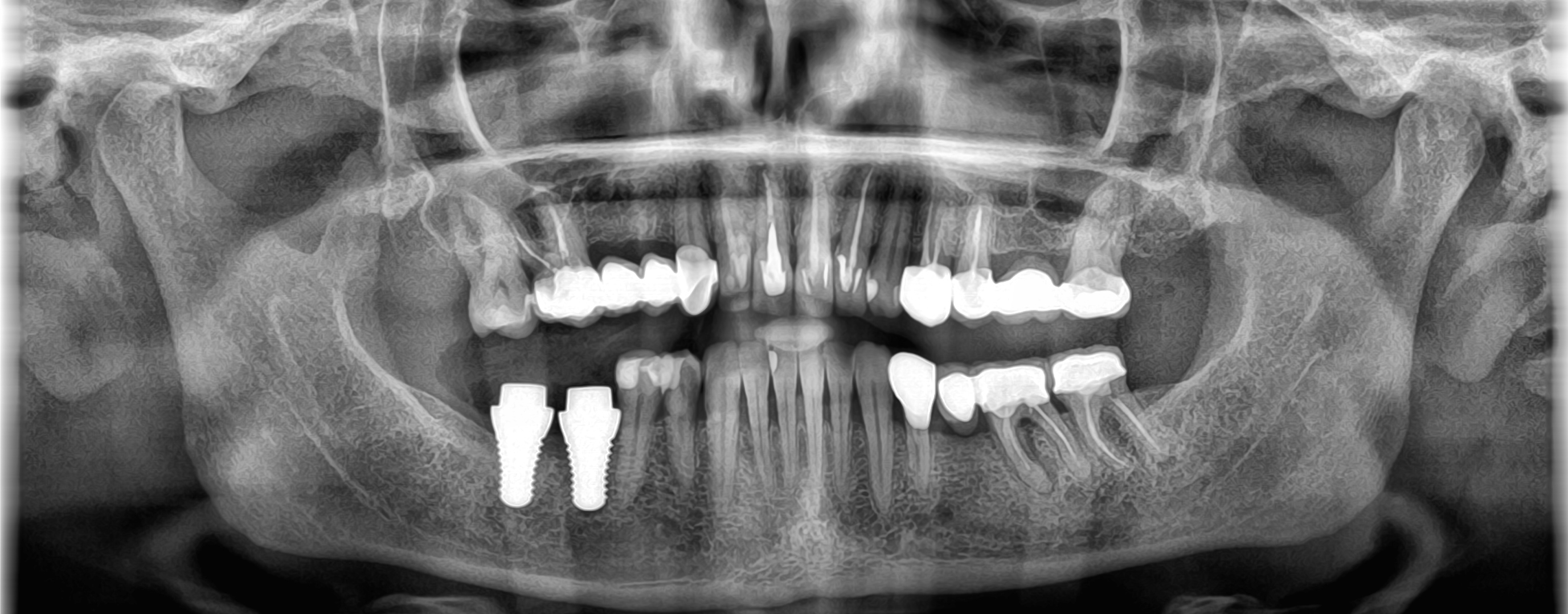
Dental implants may be recommended if you:
Implants help maintain facial structure, protect surrounding teeth, and improve everyday comfort and function.
Ideal candidates for dental implants typically have healthy gums and sufficient bone density. Non-smokers are preferred, but those requiring additional treatments like bone grafting or sinus lifts can still achieve successful outcomes.
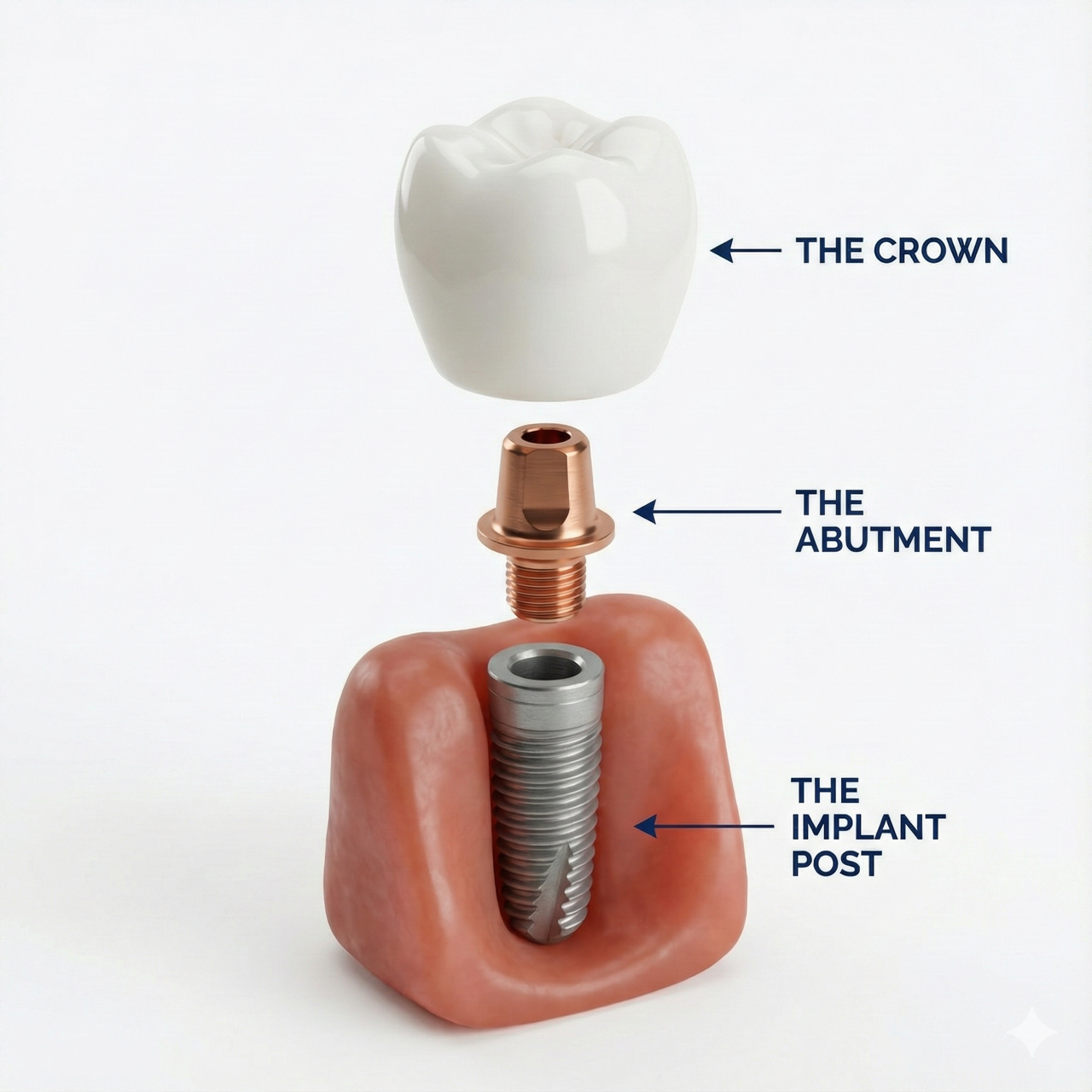
A dental implant has three main parts:
The Crown (or Prosthetic Tooth) – A custom-made tooth that matches your natural teeth in shape and colour.
The Abutment – A connector that attaches to the implant and supports the restoration.
The Implant Post – A small titanium or ceramic fixture that is placed into the jawbone, acting as an artificial root.
Over time, the implant integrates with your jawbone through a process called osseointegration, creating a strong, stable foundation.

3D scans are used to assess bone quality and determine the ideal placement position.

We discuss the best option based on your comfort and the complexity of the procedure.

The implant post is positioned into the jawbone through a small surgical opening.
The bone integrates with the implant over several weeks to months.
Once healed, a custom crown or prosthetic is attached, completing your new tooth.
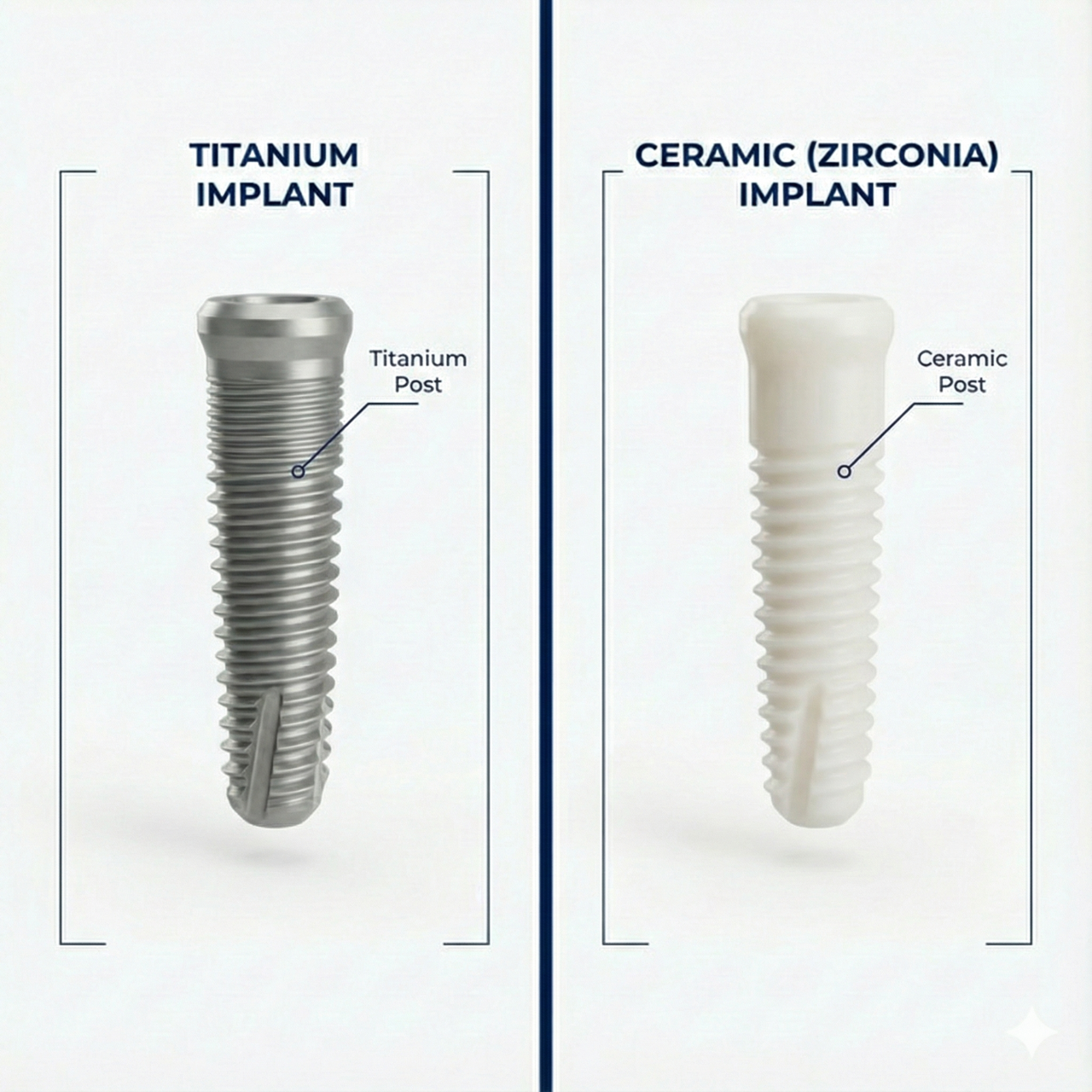
Aspen Oral Surgery provides both titanium and ceramic (zirconia) implants.

Titanium Implants – Durable, well-studied, and widely used. Titanium integrates extremely well with bone and has decades of clinical success.
Ceramic (Zirconia) Implants – A metal-free, white alternative for patients who prefer a holistic or highly aesthetic option. Ideal for those with metal sensitivities or specific cosmetic goals.
Your surgeon will help determine the right implant type based on your needs, bone structure, and treatment goals

Most patients recover smoothly after implant placement.
We provide detailed aftercare instructions to support proper healing and long-term success.
If you are considering dental implants, our team is here to guide you through the process from evaluation to final restoration. Schedule your consultation today to explore your options and take the next step toward a confident, healthy smile.


